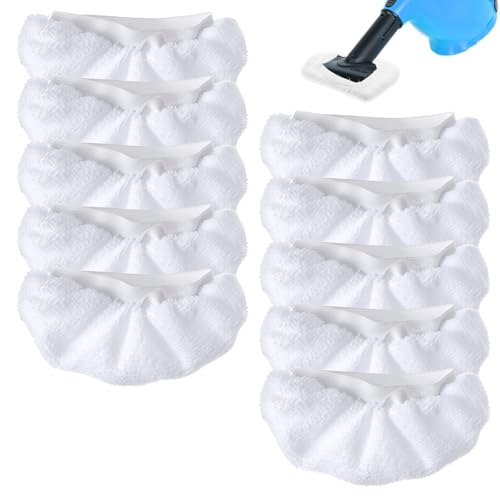
mop pad showdown comparing microfibre and disposable options
In the quest for spotless floors, the choice of mop pad can significantly influence your cleaning experience. With a variety of options available, two of the most popular types are microfibre and disposable mop pads. Each has its own set of features, benefits, and drawbacks that can impact your cleaning routine. In this article, we will dive into the characteristics of both options in 2026 to help you make an informed decision.
Understanding Microfibre Mop Pads
Microfibre mop pads are crafted from ultra-fine synthetic fibres. Their structure allows them to trap dust, dirt, and even bacteria, making them an excellent choice for maintaining a clean home. One of the standout features of microfibre is its absorbent capabilities; they can hold several times their weight in liquid, leading to a more efficient mopping process.
Another advantage of microfibre mop pads is their durability. These pads can withstand numerous washes, making them a cost-effective option in the long run. With proper care, microfibre pads can last for several years. To maximise their lifespan, it is recommended to wash them in cold water without fabric softeners and to air dry them whenever possible.
Exploring Disposable Mop Pads
On the other side of the spectrum, we have disposable mop pads. These pads are typically made from a blend of materials designed for one-time use. Their convenience is perhaps their most significant selling point. After mopping, you simply remove the pad and throw it away, making clean-up quick and hassle-free.
People Also Look For:
- Steam-Mop Pads and Round Brush Tool Set | Compatible with for Dupray Steam Cleaner | Washable Microfiber Cloths and Stainless Stee...
- JEBBLAS Pet Dry Sweeping Cloth Refills Heavy Duty Mop Pads Multi Surface Refills for Floor Mopping and Cleaning,Disposable Sweepin...
- UKEENOR XL Dry Mop Refills 40 Count Disposable Dusting Cloths Dry Sweeping Refills Dry Duster Cloths Mop Pads Floor Cloth Refills ...
- Replacement Accessories Kit For Xiaomi RobotVacuum H40 OV51, 1 Main Roller Brush, 4 Side Brushes, 4 HEPA Filters, 4 Mop Pads, 4 Du...
- Q10S5 Accessories Replacement Compatible with Roborock Q10 S5/S5+ Plus Robot Vacuum Cleaner, 1 Main Brush, 2 Filters, 4 Side Brush...
Disposable mop pads are especially handy for deep cleaning tasks or when dealing with particularly dirty areas, as you can easily switch them out as needed. However, they come with ecological considerations. Using single-use products contributes to waste, so if sustainability is a concern for you, this may be a downside.
Cleaning Performance Comparison
When it comes to cleaning performance, microfibre mop pads often take the lead. Their ability to attract and hold onto dirt makes them effective on various surfaces, including hardwood, tile, and laminate. They can effectively clean up spills without leaving residues, which is essential for maintaining floor integrity.
Disposable mop pads can also perform well but may not be as effective in capturing fine dust and allergens. Some users find that they require more frequent changes for optimal performance, especially in high-traffic areas. This could lead to increased costs over time if you find yourself using more pads than anticipated.
Cost Considerations
Initial costs for disposable mop pads may be lower, but this can be misleading. Over time, the repeated purchase of disposable pads can add up. In contrast, while microfibre pads can be more expensive upfront, their longevity makes them more economical in the long term. The investment in a quality set of microfibre mop pads pays off when you consider the number of replacements needed for disposables.
Eco-Friendly Choices
In our current age, sustainability is a key factor for many consumers. Microfibre pads shine in this aspect as they reduce waste significantly. By choosing reusable options, you contribute less to landfills and minimise your carbon footprint. Some manufacturers even offer recycling programmes for worn microfibre pads, further enhancing their eco-friendly appeal.
Alternatively, if disposal is necessary, look for brands that offer biodegradable options to mitigate environmental impact. These can break down more easily than traditional disposables and are a step towards a more sustainable cleaning routine.
Final Thoughts
Ultimately, the choice between microfibre and disposable mop pads will depend on your cleaning needs, budget, and environmental concerns. Weighing the pros and cons of each option will help you make the best choice for your home cleaning routine in 2026.